

Introduction
Imagine a glass brimming with vibrant red, a scent that whispers of sun-drenched fields, and a taste that explodes with natural sweetness. That, my friends, is the magic of homemade strawberry juice. It’s not just a drink; it’s an experience, a liquid embodiment of summer that’s incredibly refreshing and surprisingly simple to create. Forget those sugary, artificial concoctions from the store – this is the real deal, bursting with pure strawberry flavor that will transport you straight to a berry patch with every sip.
What makes this strawberry juice truly special is its effortless charm. We’re talking about a recipe so straightforward, so forgiving, that even the most novice kitchen adventurer can master it in mere minutes. The best part? From start to finish, you can have this naturally sweet elixir ready to chill in just 10 minutes. Yes, you read that right – 10 minutes! It’s the perfect solution for those last-minute cravings, unexpected guests, or simply when you want to treat yourself to something genuinely delightful without spending hours in the kitchen. Plus, it’s an absolutely brilliant way to utilize those fresh, ripe strawberries that are just begging to be transformed into something extraordinary.
This isn’t just about speed; it’s about flavor and purity. When you make strawberry juice at home, you control every single ingredient. There are no mysterious additives, no high-fructose corn syrup, and certainly no artificial colors. Just the wholesome goodness of fresh strawberries, a touch of water, and perhaps a squeeze of lemon or a hint of sweetener if you desire. The result is a drink that’s not only incredibly delicious but also genuinely good for you. It’s a taste of summer in a glass, ready to brighten any day, any time.
Nutritional Information
Per serving (approximate values for 1 cup/240ml, using 1 lb strawberries and minimal added sugar):
- Calories: 80-100
- Protein: 1g
- Carbohydrates: 20-25g
- Fat: 0.5g
- Fiber: 2-3g
- Sodium: 5mg
Ingredients
- 1 pound (approximately 3 cups) fresh ripe strawberries, washed, hulled, and sliced
- 2 cups filtered water, plus more for thinning if desired
- 2-4 tablespoons granulated sugar, honey, or maple syrup (optional, to taste)
- 1 tablespoon fresh lemon juice (optional, for brightness)
Instructions
- Prepare the Strawberries: Begin by thoroughly washing your fresh strawberries under cool running water. Gently pat them dry with a clean kitchen towel or paper towels. Using a small paring knife, hull each strawberry by removing the green leafy top and the white core. Once hulled, slice the strawberries into halves or quarters. This will help them break down more easily during simmering and release their juices and flavor more efficiently.
- Simmer Strawberries and Water: Transfer the prepared sliced strawberries into a medium-sized saucepan or pot. Pour in 2 cups of filtered water. Place the pot over medium heat. Bring the mixture to a gentle simmer, stirring occasionally. Once simmering, reduce the heat to low, cover the pot, and let it cook for about 5-7 minutes. During this time, the strawberries will soften considerably, release their vibrant red color into the water, and become very tender. You’ll notice the liquid taking on a beautiful pinkish-red hue.
- Mash and Cool Slightly: After simmering, remove the pot from the heat. Using a potato masher, the back of a large spoon, or a fork, gently mash the softened strawberries directly in the pot. This step is crucial for extracting maximum flavor and juice from the fruit. Mash until the strawberries are mostly broken down and the liquid is rich in color. Allow the mixture to cool slightly for about 5-10 minutes before proceeding to the next step. This makes straining easier and safer.
- Strain the Juice: Set a fine-mesh sieve over a large bowl or pitcher. Carefully pour the mashed strawberry mixture into the sieve. Allow the liquid to drain naturally through the sieve into the bowl below. To ensure you extract as much juice as possible, use the back of a spoon or a spatula to press down on the pulp in the sieve, forcing more liquid through. Continue pressing until you’ve extracted all the juice you can. Discard the remaining strawberry pulp (or save it for another use, like stirring into yogurt or oatmeal, if desired). For an even clearer juice, you can line your fine-mesh sieve with a few layers of cheesecloth before straining.
- Sweeten and Adjust (Optional): Taste the freshly strained strawberry juice. Depending on the sweetness of your strawberries and your personal preference, you may wish to add a sweetener. Stir in 2-4 tablespoons of granulated sugar, honey, or maple syrup, one tablespoon at a time, until you reach your desired level of sweetness. If you find the juice tastes a little flat, a tablespoon of fresh lemon juice can work wonders by adding a bright, zesty counterpoint that enhances the strawberry flavor without making it taste lemony. Stir well until any added sweetener is fully dissolved.
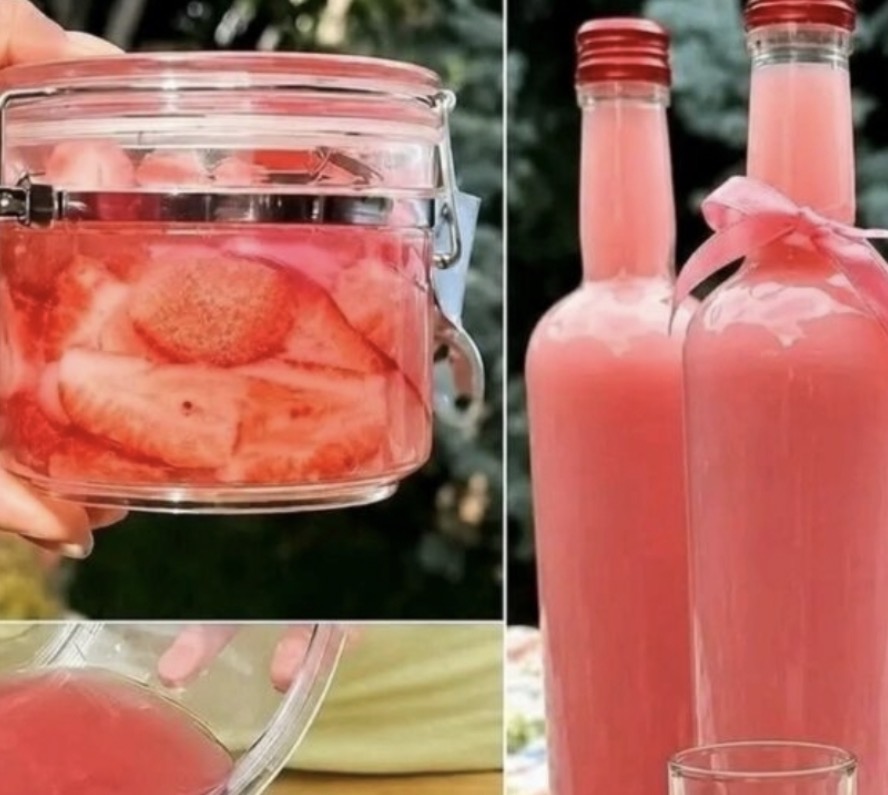
- Chill and Serve: Once sweetened and adjusted, transfer the strawberry juice to a clean pitcher or sealable bottles. Place it in the refrigerator to chill thoroughly for at least 1-2 hours. Serving it ice-cold is key to its refreshing quality. Once chilled, pour into glasses and enjoy! You can serve it as is, or for a sparkling twist, mix it with equal parts sparkling water or club soda. Garnish with a fresh strawberry slice or a sprig of mint for an extra touch of elegance.
Cooking Tips and Variations
To achieve the absolute best homemade strawberry juice, starting with the highest quality ingredients is paramount. Always opt for fresh, ripe strawberries. The riper they are, the sweeter and more flavorful your juice will be, potentially reducing the need for added sweeteners. While not overly soft, they should yield slightly to a gentle squeeze and smell distinctly of strawberries. If your strawberries are a little past their prime for eating fresh, this juice is an excellent way to use them up and prevent food waste.
When simmering the strawberries, be mindful not to overcook them. A gentle simmer for 5-7 minutes is usually sufficient to soften them and release their juices. Overcooking can sometimes lead to a duller color and a slightly cooked, less vibrant flavor. The goal is to extract the fresh essence, not to make jam. After simmering, allowing the mixture to cool slightly before straining is not just for safety; it can also help the flavors meld a bit more deeply before separation.
For a beautifully smooth and pulp-free juice, thorough straining is essential. A fine-mesh sieve is usually sufficient, but for an ultra-clear juice, lining the sieve with a few layers of cheesecloth will catch even the tiniest bits of pulp. Don’t be shy about pressing down on the solids to extract every last drop of flavorful liquid. This concentrated pulp can still be used in other applications, so consider saving it if you don’t mind a bit of texture.
Customization is one of the joys of making drinks at home. If you prefer a thinner juice, simply add a splash more filtered water after straining and adjusting the sweetness. For a thicker, more concentrated juice, you can reduce the initial amount of water slightly, though this might also make the straining process a bit more challenging. Remember to adjust sweetness accordingly if you alter the water content.
Beyond the basic recipe, there are countless ways to infuse new life into your strawberry juice. For a delightful blend, try adding other berries to the simmer. Raspberries, blueberries, or even a handful of cherries can create a unique mixed berry juice that still highlights the strawberry base. If you’re looking for an alternative to refined sugar, natural sweeteners like honey or maple syrup work wonderfully. Start with a small amount and add more to taste, as their sweetness intensity can vary.
For an aromatic twist, consider infusing your juice with fresh herbs. A few sprigs of fresh mint or basil added to the pot during the last minute of simmering, or even just placed in the pitcher with the chilled juice, can add a sophisticated and unexpected layer of flavor. Some people also enjoy a hint of ginger, either a few slices simmered with the strawberries or a small amount of fresh ginger juice added at the end.
Finally, think about how you serve it. While fantastic on its own, homemade strawberry juice is also an excellent base for cocktails and mocktails. Mix it with sparkling wine for a festive brunch drink, or combine it with white rum, lime, and mint for a refreshing strawberry mojito. For a non-alcoholic treat, a splash of limeade or lemonade can create a vibrant and tangy concoction. Don’t forget to garnish with fresh strawberries, lemon slices, or herb sprigs for an appealing presentation.
Storage and Reheating
Homemade strawberry juice is a perishable delight, so proper storage is key to enjoying its freshness for as long as possible. Once your juice is prepared and thoroughly chilled, transfer it to clean, airtight containers or bottles. Glass bottles with tight-fitting lids are ideal as they don’t impart any flavors and are easy to sterilize. Make sure to fill the containers as much as possible, leaving minimal headspace, to reduce exposure to air, which can cause oxidation and flavor degradation.
Store the sealed containers in the refrigerator. When properly stored, homemade strawberry juice will maintain its fresh taste and vibrant color for up to 3-5 days. While it might still be safe to drink beyond this period, you may notice a decline in flavor quality and color intensity. Always give it a quick sniff and check for any off-odors or signs of spoilage before consuming if it’s been stored for an extended time.
For longer-term storage, homemade strawberry juice freezes beautifully. Pour the chilled juice into freezer-safe containers, leaving about an inch of headspace to allow for expansion. You can also freeze it in ice cube trays; once frozen solid, transfer the cubes to a freezer-safe bag. Frozen strawberry juice will retain its quality for up to 3-4 months. This is an excellent way to preserve the taste of summer for colder months or to have ready-to-use portions for smoothies or cocktails.
To thaw frozen strawberry juice, simply transfer it from the freezer to the refrigerator a day before you plan to use it. For quicker thawing, you can place the sealed container in a bowl of cold water. Avoid microwaving to thaw, as rapid heating can affect the delicate flavors and nutrients. Once thawed, stir well before serving, as some separation may occur.
As this is a cold beverage, there is no “reheating” in the traditional sense. However, if you’ve stored the juice and it’s no longer ice-cold, simply stir it and pour it over fresh ice cubes. If you wish to serve it warm for some reason (perhaps as a base for a spiced winter drink), gently warm it in a saucepan over low heat, being careful not to boil it, which can diminish its fresh flavor. Always taste and adjust sweetness if warming, as flavors can be perceived differently at varying temperatures.
Frequently Asked Questions
Can I make this strawberry juice without any added sugar?
Absolutely! The amount of sugar you add is entirely optional and depends on the natural sweetness of your strawberries and your personal preference. If your strawberries are very ripe and sweet, you might find that no added sugar is necessary at all. We recommend tasting the juice after straining and then deciding if you’d like to sweeten it. For a truly natural version, let the fruit’s inherent sweetness shine through.
What can I do with the leftover strawberry pulp?
Don’t throw it away! The leftover strawberry pulp is still full of fiber and some flavor. You can stir it into yogurt, oatmeal, or blend it into smoothies for an extra nutritional boost. It can also be used in baking, such as adding it to muffin batter, pancake mix, or even making fruit leathers. Some people even mix it with a little sugar and lemon juice to create a quick strawberry sauce or spread.
Can I use frozen strawberries for this recipe?
Yes, you can definitely use frozen strawberries! They work just as well as fresh ones, especially when fresh strawberries are out of season or expensive. There’s no need to thaw them before cooking; simply add the frozen strawberries directly to the saucepan with the water and proceed with the simmering step. The cooking time might be slightly longer as they will need to thaw and soften, but the end result will be just as delicious and refreshing.
Why is my homemade strawberry juice not as vibrant red as store-bought juice?
The vibrant, often intense red color of many commercial strawberry juices is often due to added artificial colorings or concentrated fruit extracts specifically chosen for their deep hue. Homemade juice relies solely on the natural pigments of the strawberries. While still beautiful and inviting, its color might be a slightly softer, more natural red or even a deep pink, depending on the variety and ripeness of your strawberries. This is a sign of its natural purity and lack of artificial additives.